Information
Landmark: Bahia de las AguilasCity: Barahona
Country: Dominican Republic
Continent: North America
Bahia de las Aguilas, Barahona, Dominican Republic, North America
Overview
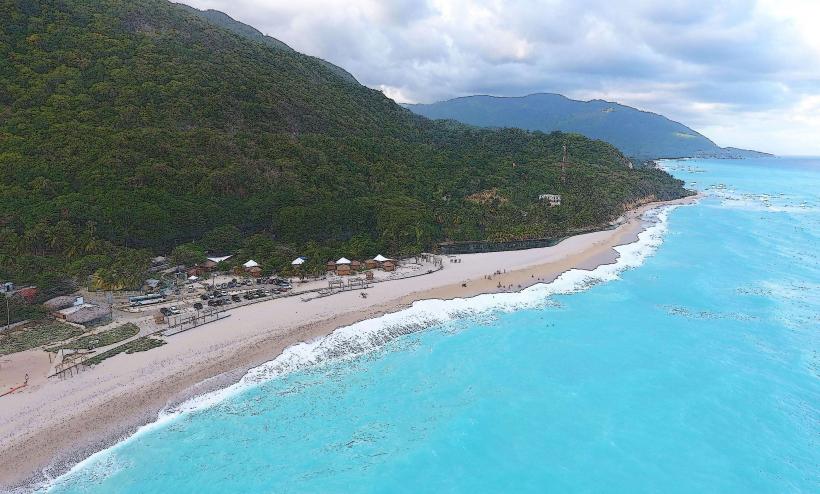
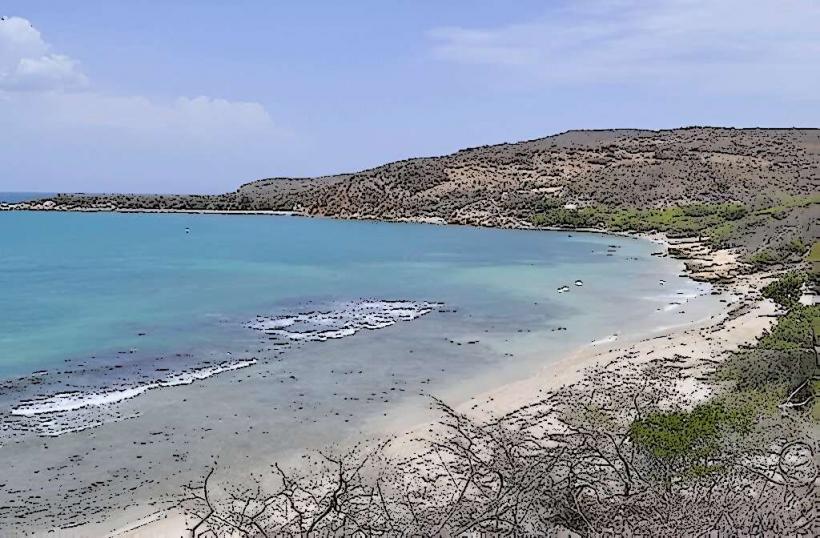
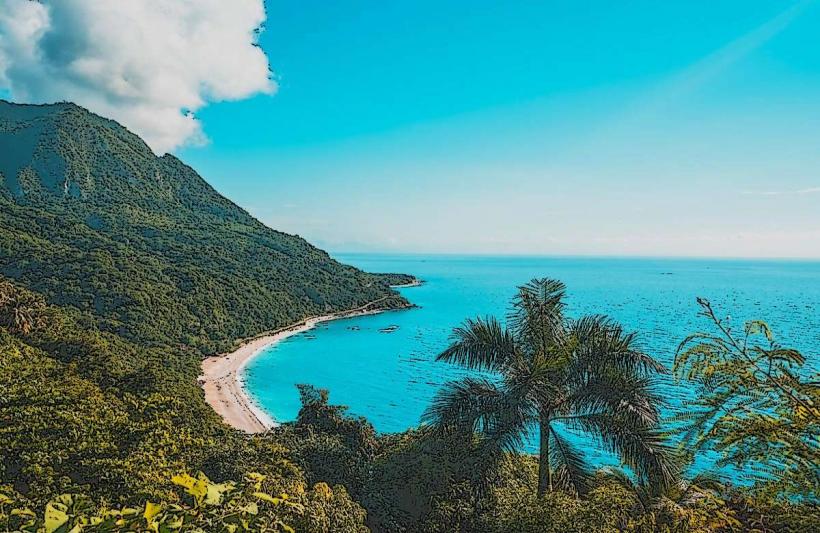
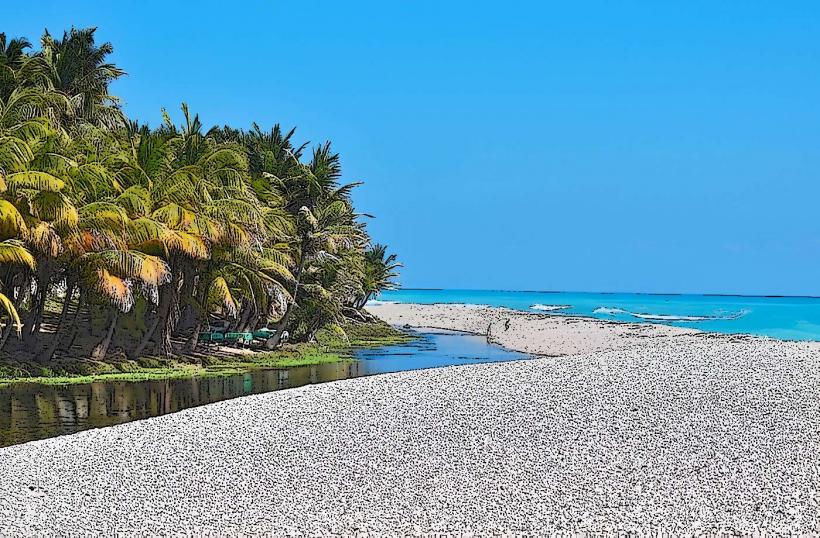
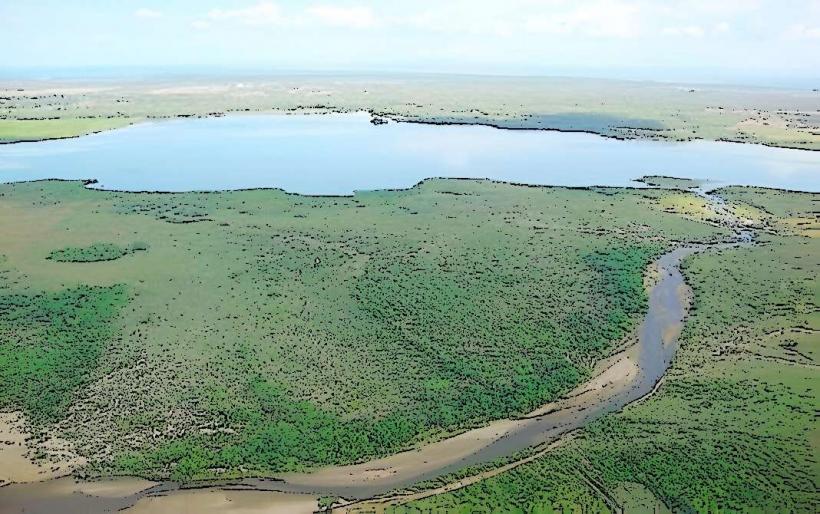
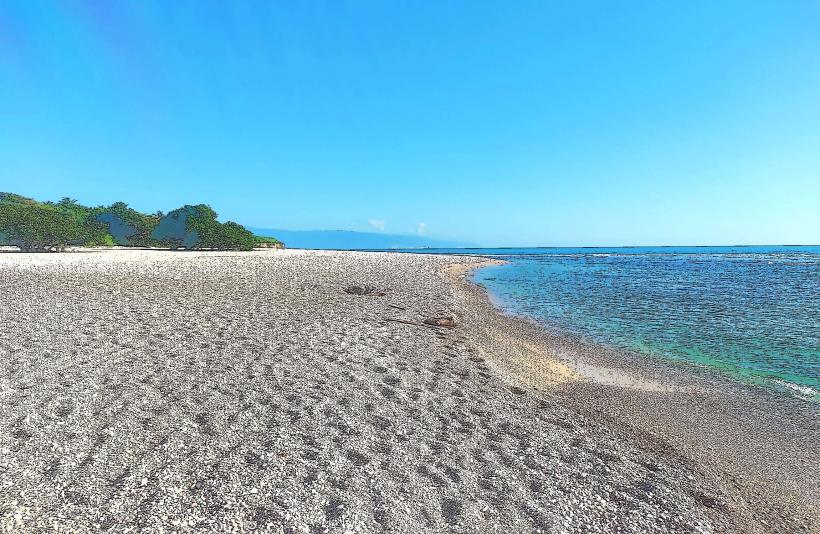
Tucked away on the southwest coast of the Dominican Republic, Bahía de las Águilas-Bay of Eagles-stretches in quiet beauty inside Jaragua National Park, its white sand meeting the turquoise shallows of Pedernales, meanwhile travelers flock to this bay, often called one of the Caribbean’s most stunning and untouched beaches, where soft white sand meets clear turquoise water.Let’s take a closer gaze at Bahía de las Águilas, a stretch of coastline on the Caribbean Sea just steps from the Dominican Republic’s border with Haiti, where turquoise water laps against pale limestone cliffs, and rugged cliffs tower over the beach, with pale limestone formations jutting out beside stretches of dry, desert-like terrain, giving the site its own unmistakable charm.This stretch of coast lies within Jaragua National Park, a UNESCO Biosphere Reserve celebrated for its rich wildlife and careful preservation, in conjunction with the bay sits about 25 kilometers-roughly a half-hour drive-from Pedernales, the nearest major town.It’s a bit out of the way, and the road to the beach turns bumpy quick, with loose gravel that makes a 4x4 the safest choice, moreover most visitors hop on a boat from Las Cuevas or Barahona to reach the bay, where the turquoise water is so clear you can spot fish flicker beneath the surface, untouched by the outside world.Gentle waves roll over the shallow water, perfect for swimming or snorkeling, while soft, powdery white sand stretches beneath rugged cliffs that rise like weathered stone walls-and with its quiet, untouched setting, Bahia de las Águilas feels worlds away from the crowds, in conjunction with hard to reach, it stays quiet, far from the noisy crowds that pack more built-up beaches where umbrellas dot the sand, perhaps Most visitors find they have the destination all to themselves, a quiet stretch of sand and surf that’s perfect for anyone craving peace in nature, meanwhile the area around Bahía de las Águilas teems with life, from glowing fish darting under the waves to rare plants thriving in the sun.Not surprisingly, Jaragua National Park teems with life, from rare orchids clinging to rocky cliffs to sparkling lizards found nowhere else, moreover the park safeguards habitats for creatures like the rare Hispaniolan solenodon and the American crocodile, while the crystal-clear waters off Bahía de las Águilas teem with vibrant marine life.While snorkeling, you might spot flashes of yellow and blue fish darting between coral reefs, along with countless other creatures that call the ocean home, as a result the bay is home to nesting Leatherback and Green sea turtles, their tracks sometimes pressed into the pale sand.Most travelers reach Bahia de las Águilas by boat, arranged through local guides in coastal towns like Las Cuevas or Pedernales, to boot boat tours often swing by nearby spots like Isla Beata, a tiny island just off the coast with quiet beaches and untouched beauty.In the bay’s glassy, blue-green water, you can slip on a mask and snorkel or dive straight into the reefs, moreover shallow stretches of water make perfect snorkeling spots, where you can drift over shining coral reefs and watch flashes of silver fish dart past, fairly Scuba lovers can venture into deeper waters to explore shadowy caves and vibrant marine life, while the trails around Jaragua National Park invite hikers to wander through dry forests and along rocky ridges, while winding trails in the park take you past sunbaked desert, quiet dry forests, and cliffs that drop to the sea, where you can spot rare plants and the flash of a lizard’s tail; Bahía de las Águilas sits within Jaragua National Park, a protected area created to safeguard these remarkable ecosystems.The park safeguards the area’s wildlife, from luminous reef fish weaving through coral to birds nesting in the mangroves, while preserving its natural beauty, while the Dominican government, working with conservation groups, has moved to protect this fragile environment.They’re still figuring out how to welcome tourists without losing the quiet rustle of the mangroves, therefore even with its protected status, Bahía de las Águilas is under pressure, especially from illegal building and land development creeping into the hills around it.With more travelers heading to the region, protecting its fragile ecosystems and keeping the clear mountain streams untouched remains a constant challenge, then local officials and conservationists are keeping a close watch on current construction, stepping in when needed to protect the bay’s calm, salt-scented waters.Bahía de las Águilas is drawing more eco-tourists and thrill-seekers each year, from hikers tracing its rugged cliffs to swimmers wading into its glass-clear water, not only that with its untouched shoreline and far-off setting, it’s the ideal escape for anyone wanting a break from the crowded, souvenir-lined beaches of the Dominican Republic.Eco-tourism and nature-based outings now play a large role in the local economy, putting money in the pockets of boat operators, trail guides, and others who help visitors experience the area’s wild beauty, besides in the end, Bahía de las Águilas shines as a true Caribbean treasure, its quiet, untouched shores waiting for travelers ready to leave the crowds behind.Clear turquoise water laps at white sand, and the locale teems with wildlife, making it one of the Dominican Republic’s most stunning natural spots, equally important if you make it to this remote bay, you’ll stumble onto a rare chance to witness one of the Caribbean’s last wild stretches of coast, where the only sound is the measured hush of waves against the sand.
Author: Tourist Landmarks
Date: 2025-09-08